H12.0 Ø19.5 (cm)
Unclothed Series
Blended porcelain, wheel thrown, oxidation fired(Cone 9), signed
Unglazed and polished exterior.
The clay is an artist-developed porcelain blend, incorporating iron garnets and ceramic stains.
Due to the nature of the blending process, subtle marbling may occasionally appear in the clay, and small white grog particles from the original porcelain body may also be visible on the surface. These are natural characteristics of the material and making process.
Each work is carefully inspected several times. Faint scratches, subtle variations in the surface, or traces resulting from the blending and de-airing process may remain. The artist considers these characteristics part of the individual nature of each piece rather than imperfections.
These pieces are intended primarily as small artistic objects rather than functional tableware.
Note for Unclothed Series
Hours and hours of hidden labour — and shine.
The iron garnets blended into the porcelain are each like tiny individual stones. As Jaejun forms each piece, particularly during the turning process, they leave countless fine scratches across the surface, following the direction of the spinning clay.
The first rough sanding begins when the clay is completely dry. At this stage, however, the object is still extremely fragile, so only a limited amount can be done. Most of the essential sanding is left until after the bisque firing.
Once bisque-fired, the clay becomes much harder, allowing the surface to be worked more intensively. From this stage, Jaejun mainly uses diamond sheets to minimise the visible scratches and create a softer, more even-looking surface. With the vessel completely wet, he sands through several different grits — #400, #800 and #1800. By the end of this stage, the surface both looks and feels remarkably smooth.
But this smoothness does not survive the final firing unchanged. As the porcelain is fired to its full temperature, the iron garnets become more pronounced on the surface, and some break away, leaving behind a subtly uneven, bumpy texture. The surface that had been carefully smoothed after the bisque firing therefore has to be worked all over again.
This is where the most significant transformation begins. After the final firing, Jaejun grinds the surface smooth again, starting once more with #400 diamond sheets and gradually progressing to #3000. From around #1800, a subtle shine begins to emerge from the porcelain itself.
The final polishing is carried out with much finer and gentler abrasives, gradually deepening the lustre of the surface. Much of the longest work is spent around #800, carefully correcting and refining the surface, before progressing through increasingly fine grades and finishing at approximately #7000.
This final stage alone often takes considerably longer than forming the vessel itself.
Among Jaejun’s works, the Unclothed Series involves perhaps the greatest concentration of time, handwork and craftsmanship. Much of this labour remains invisible in the finished object. Yet when the work is seen closely — and especially when it is touched — the difference becomes immediately apparent.
Working with yellow for this series was also so much fun and exciting, especially because Jaejun knew it was not something he could do all the time. Introducing yellow into his colour palette was a new and meaningful project, bringing an unexpected vibrancy to the Unclothed Series while allowing the material and polished surface to remain at its heart. Perhaps this could even be the beginning of a new annual project — exploring a different colour each year.
H12.0 Ø19.5 (cm)
Unclothed Series
Blended porcelain, wheel thrown, oxidation fired(Cone 9), signed
Unglazed and polished exterior.
The clay is an artist-developed porcelain blend, incorporating iron garnets and ceramic stains.
Due to the nature of the blending process, subtle marbling may occasionally appear in the clay, and small white grog particles from the original porcelain body may also be visible on the surface. These are natural characteristics of the material and making process.
Each work is carefully inspected several times. Faint scratches, subtle variations in the surface, or traces resulting from the blending and de-airing process may remain. The artist considers these characteristics part of the individual nature of each piece rather than imperfections.
These pieces are intended primarily as small artistic objects rather than functional tableware.
Note for Unclothed Series
Hours and hours of hidden labour — and shine.
The iron garnets blended into the porcelain are each like tiny individual stones. As Jaejun forms each piece, particularly during the turning process, they leave countless fine scratches across the surface, following the direction of the spinning clay.
The first rough sanding begins when the clay is completely dry. At this stage, however, the object is still extremely fragile, so only a limited amount can be done. Most of the essential sanding is left until after the bisque firing.
Once bisque-fired, the clay becomes much harder, allowing the surface to be worked more intensively. From this stage, Jaejun mainly uses diamond sheets to minimise the visible scratches and create a softer, more even-looking surface. With the vessel completely wet, he sands through several different grits — #400, #800 and #1800. By the end of this stage, the surface both looks and feels remarkably smooth.
But this smoothness does not survive the final firing unchanged. As the porcelain is fired to its full temperature, the iron garnets become more pronounced on the surface, and some break away, leaving behind a subtly uneven, bumpy texture. The surface that had been carefully smoothed after the bisque firing therefore has to be worked all over again.
This is where the most significant transformation begins. After the final firing, Jaejun grinds the surface smooth again, starting once more with #400 diamond sheets and gradually progressing to #3000. From around #1800, a subtle shine begins to emerge from the porcelain itself.
The final polishing is carried out with much finer and gentler abrasives, gradually deepening the lustre of the surface. Much of the longest work is spent around #800, carefully correcting and refining the surface, before progressing through increasingly fine grades and finishing at approximately #7000.
This final stage alone often takes considerably longer than forming the vessel itself.
Among Jaejun’s works, the Unclothed Series involves perhaps the greatest concentration of time, handwork and craftsmanship. Much of this labour remains invisible in the finished object. Yet when the work is seen closely — and especially when it is touched — the difference becomes immediately apparent.
Working with yellow for this series was also so much fun and exciting, especially because Jaejun knew it was not something he could do all the time. Introducing yellow into his colour palette was a new and meaningful project, bringing an unexpected vibrancy to the Unclothed Series while allowing the material and polished surface to remain at its heart. Perhaps this could even be the beginning of a new annual project — exploring a different colour each year.

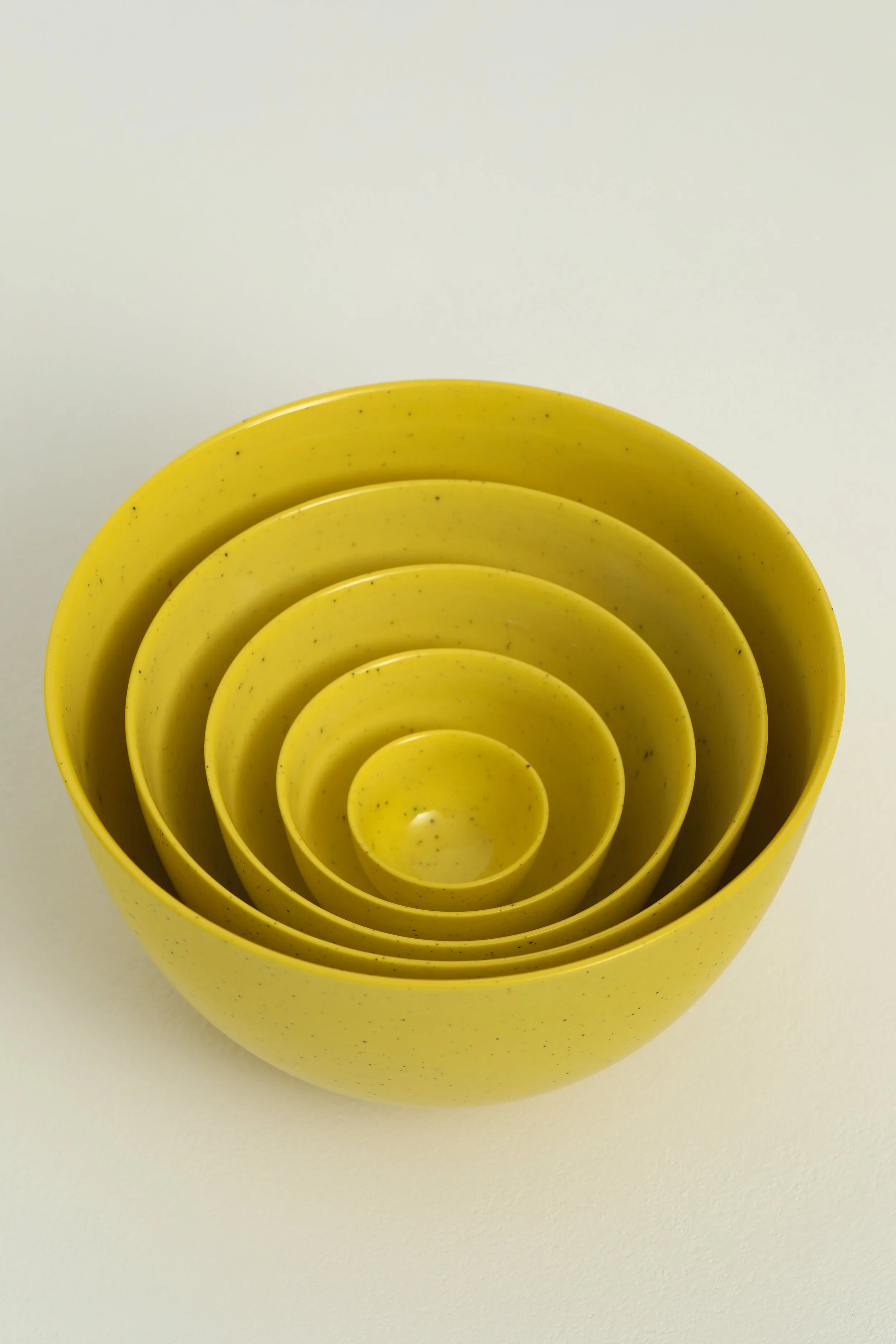 Image 1 of 4
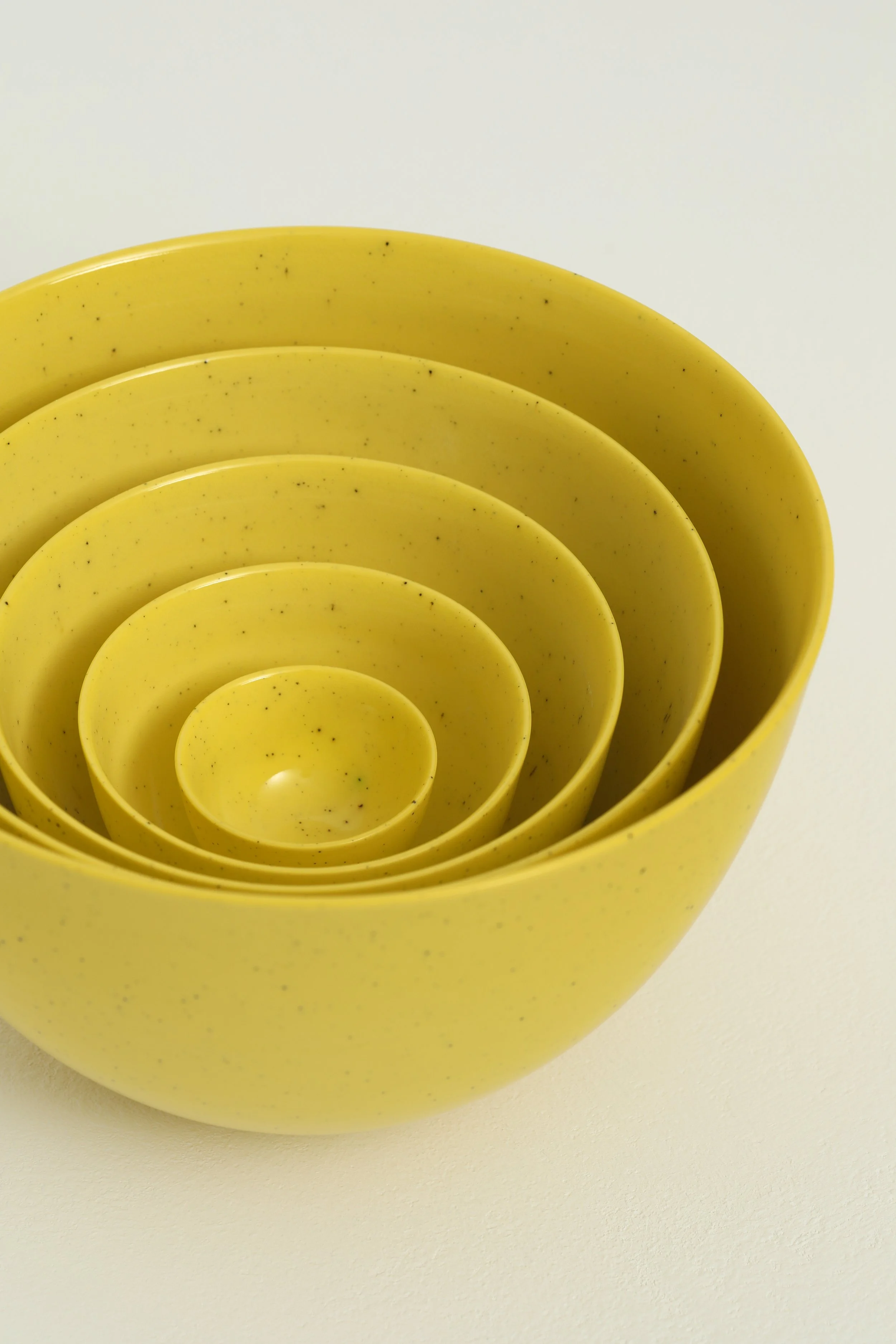 Image 2 of 4
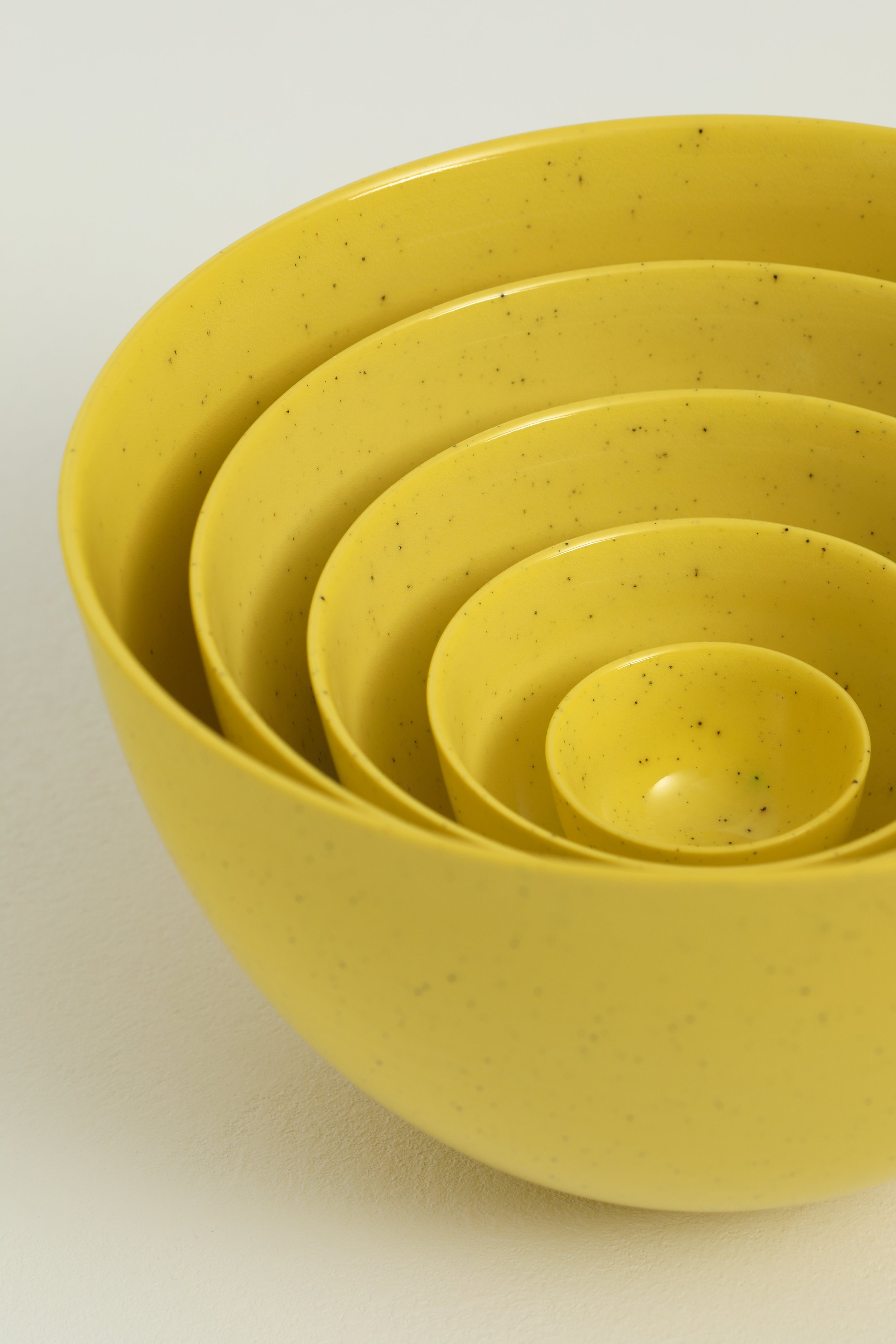 Image 3 of 4
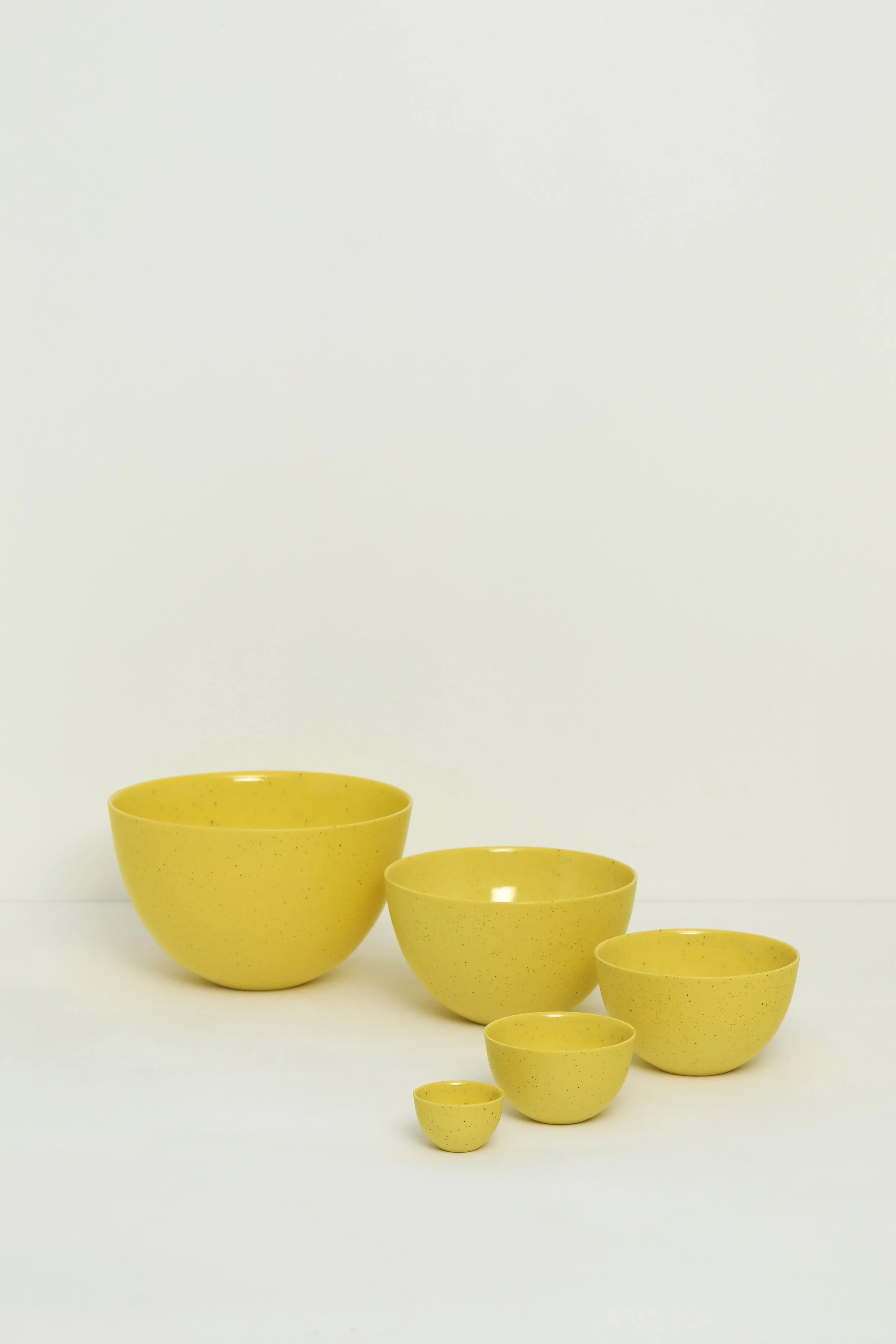 Image 4 of 4